A snapshot of the key milestones, regional activities, and accomplishments over the first half of 2026.
Regional Workshop Advances IBF for Temperature Extremes
9–13 February 2026 | Kathmandu, Nepal
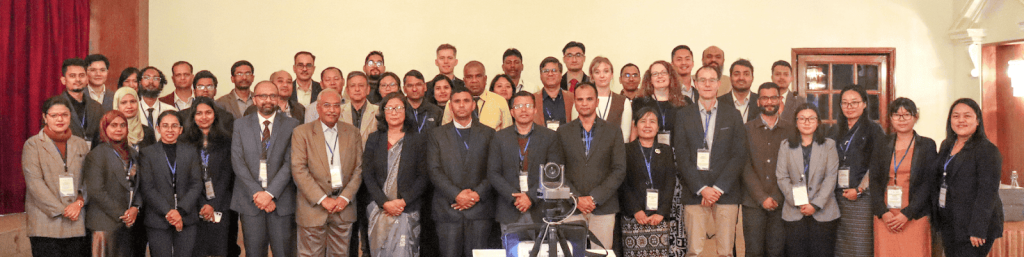
The Regional Workshop on Impact-Based Forecasting (IBF) for Temperature-related Hazards strengthened regional capacities to operationalize impact-based forecasting for heatwaves and cold spells through technical sessions, hands-on exercises, and collaborative planning. Participants refined the Regional IBF Framework and Toolkit while developing national demonstration plans tailored to country contexts. Learn more..>>
National Cascading and Demonstration Activities
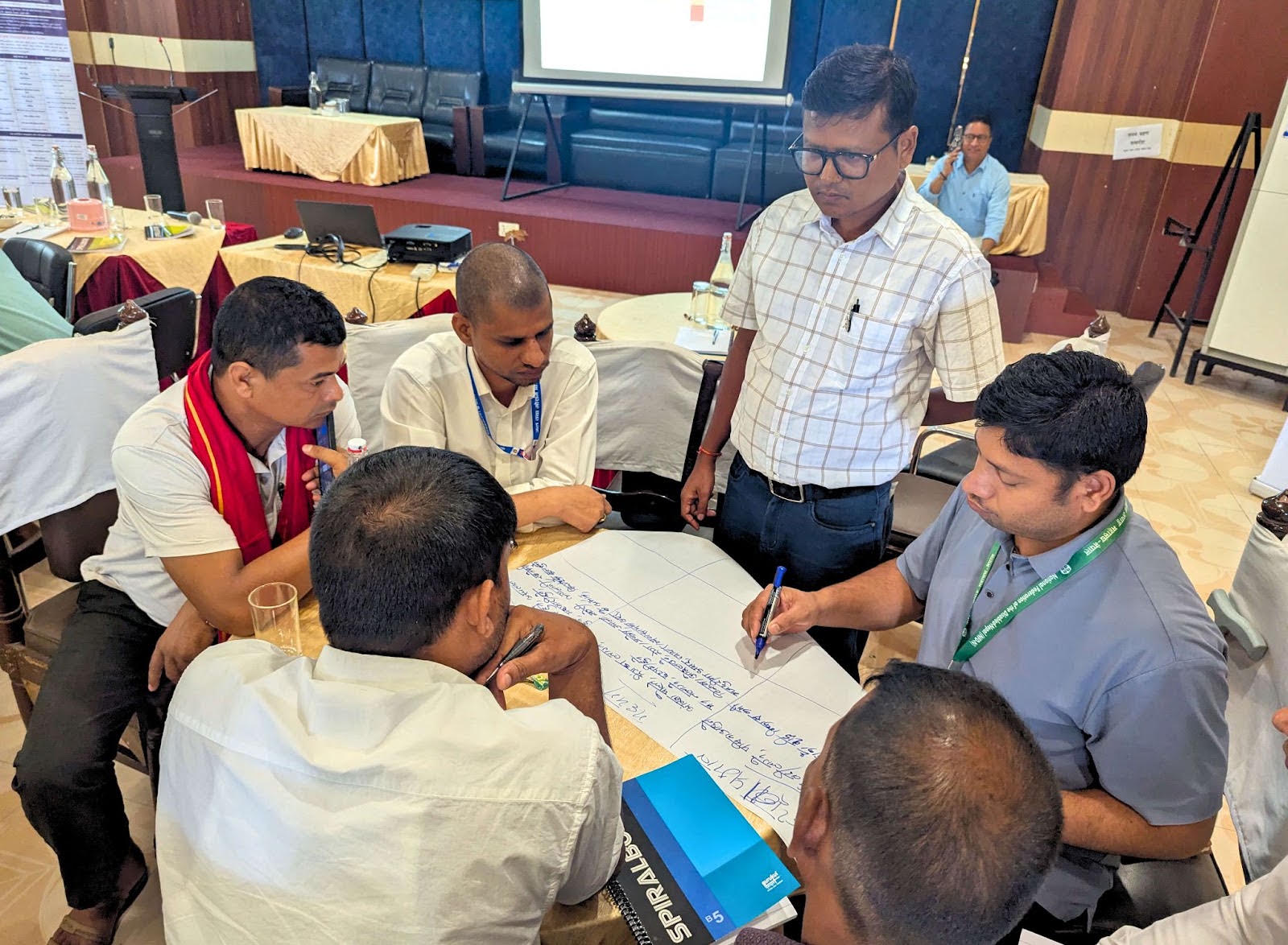
Bhutan | April 9-11 – NCHM conducted a national cascading workshop to prepare stakeholders for Bhutan’s IBF demonstration on temperature extremes. Building on the regional IBF workshop, participants strengthened their capacity to translate forecasts into sector-specific impacts and early actions while advancing institutional coordination and co-production with user sectors to support operational climate services.
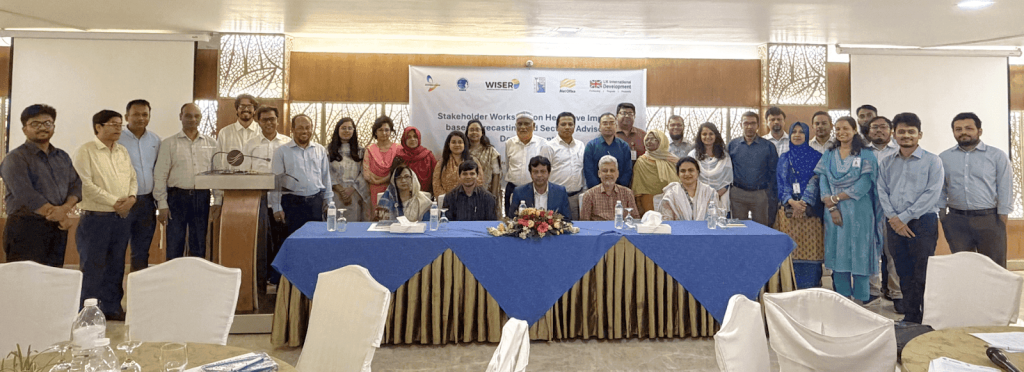
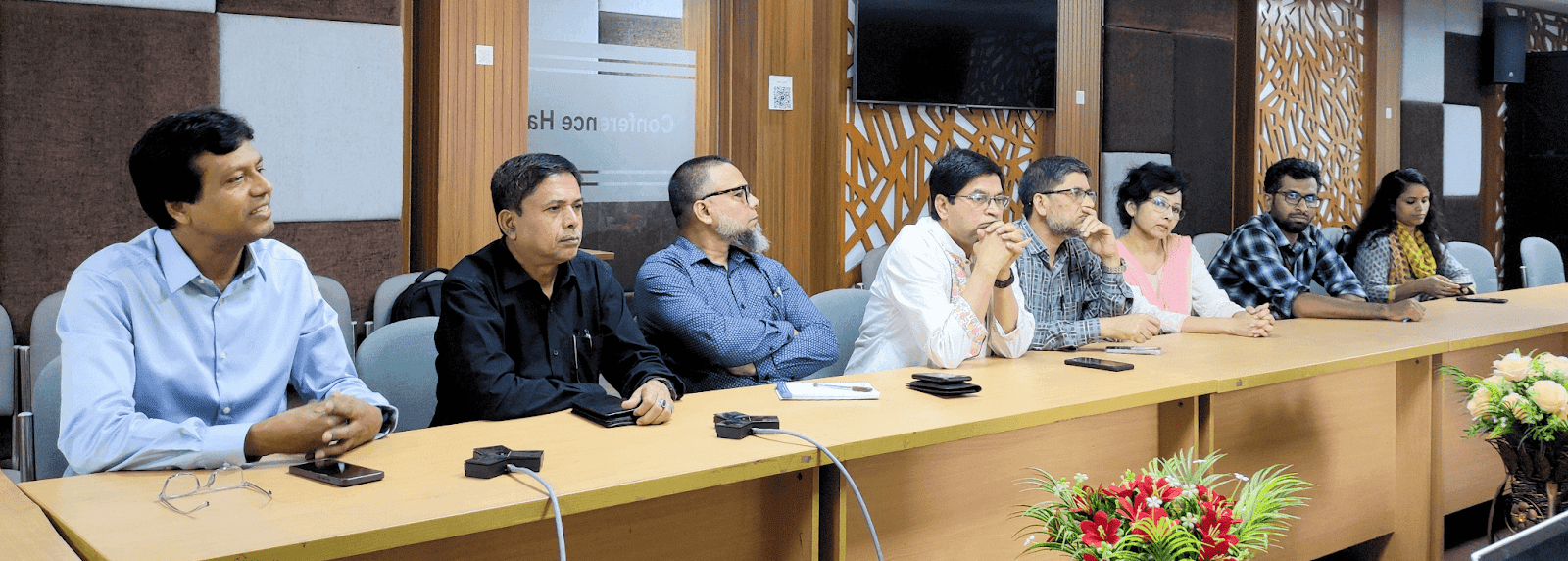
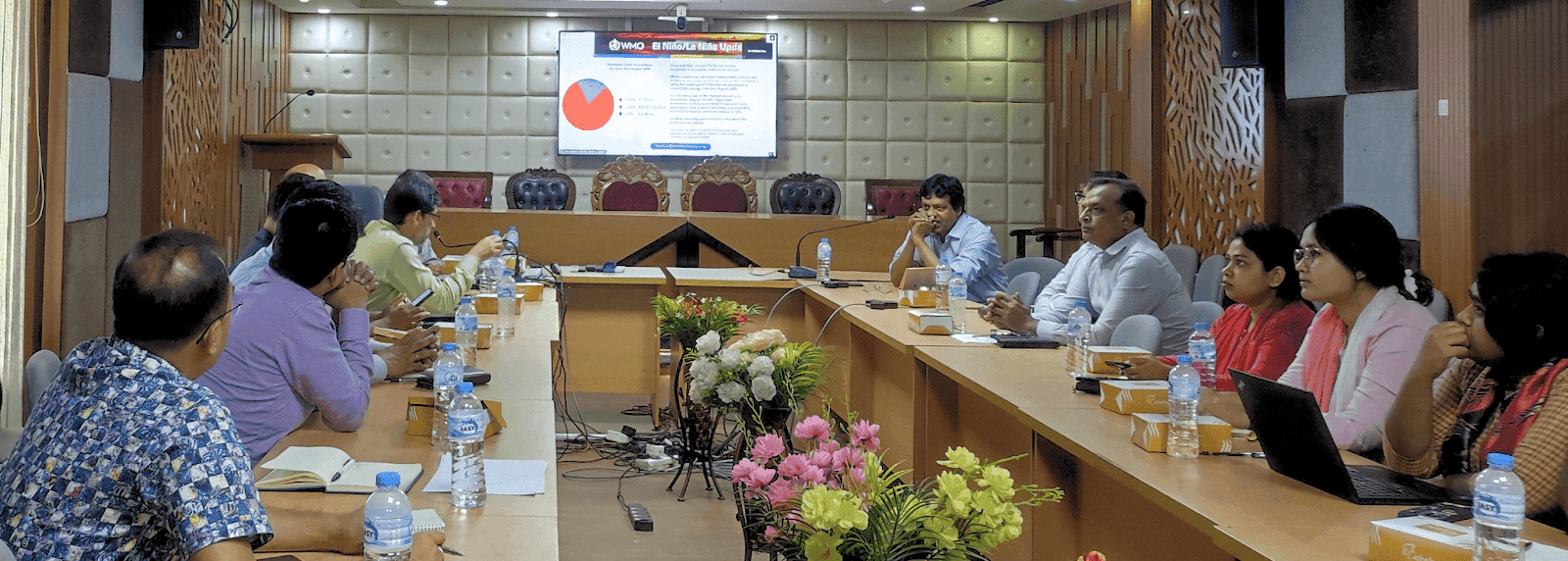
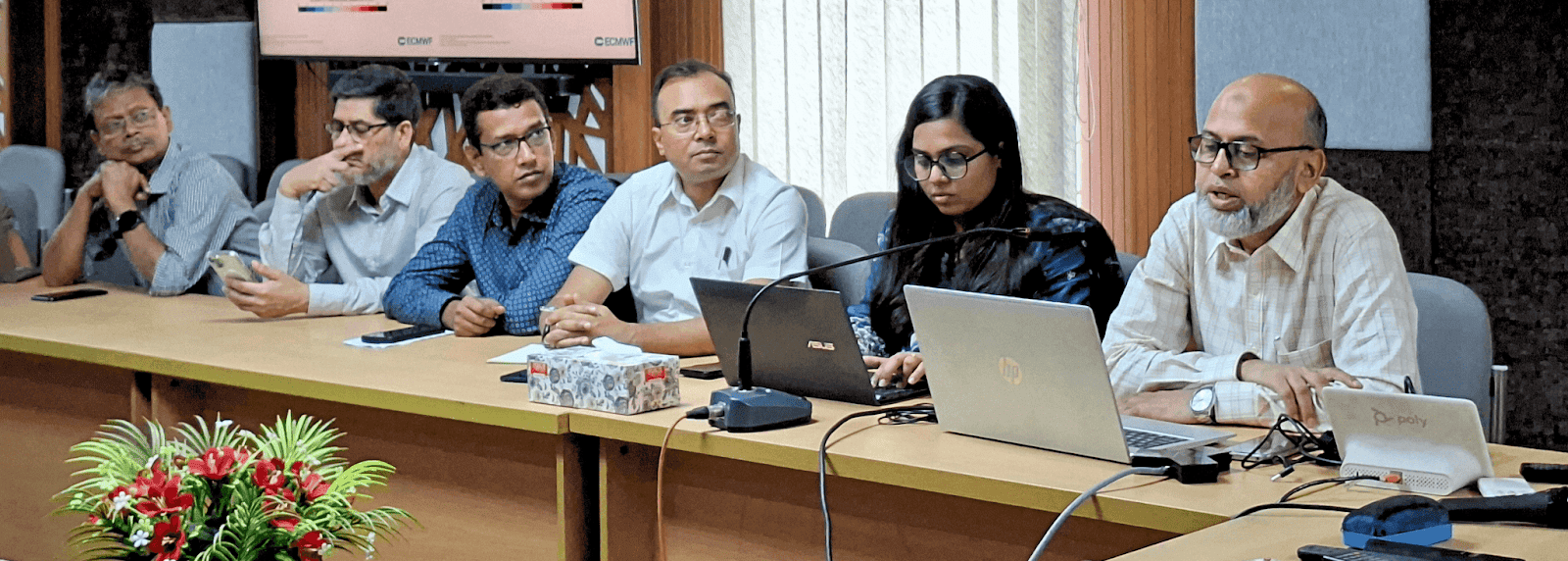
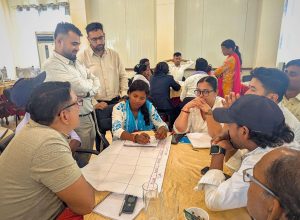
Bangladesh | May 10-18 – Bangladesh implemented a series of consultations and technical workshops to strengthen its national demonstration on Heatwave IBF. These activities enhanced technical capacity, refined localized heatwave thresholds, and fostered collaboration among the various sectors to develop actionable advisories and improve preparedness for extreme heat. Read more…>>
Image #1
Image #2
Monthly Debriefing Meeting – Since April 2026, BMD has been convening monthly seasonal outlook debriefing sessions that bring together government agencies and partners to translate climate forecasts into sector-specific actions. Supported by RIMES and the UK Met Office through the SAHF IBF Project, the initiative is strengthening inter-agency coordination and institutionalizing impact-based forecasting as a model for climate-informed decision-making in Bangladesh.
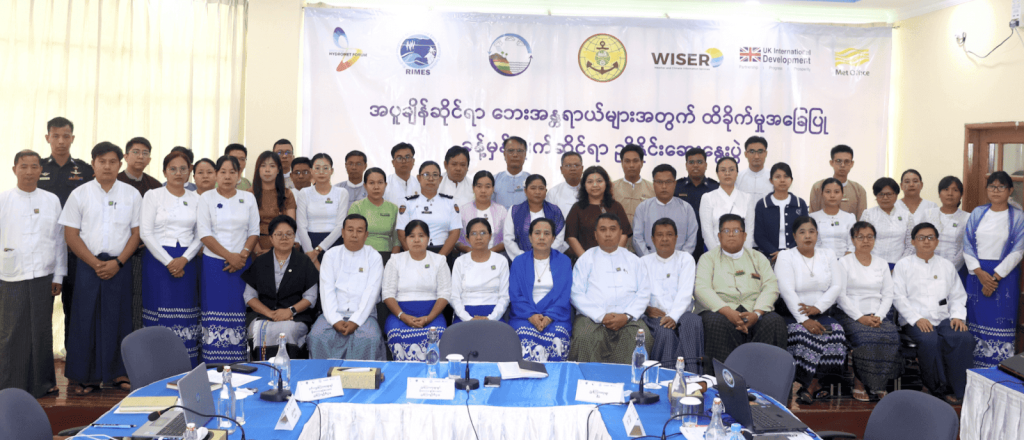
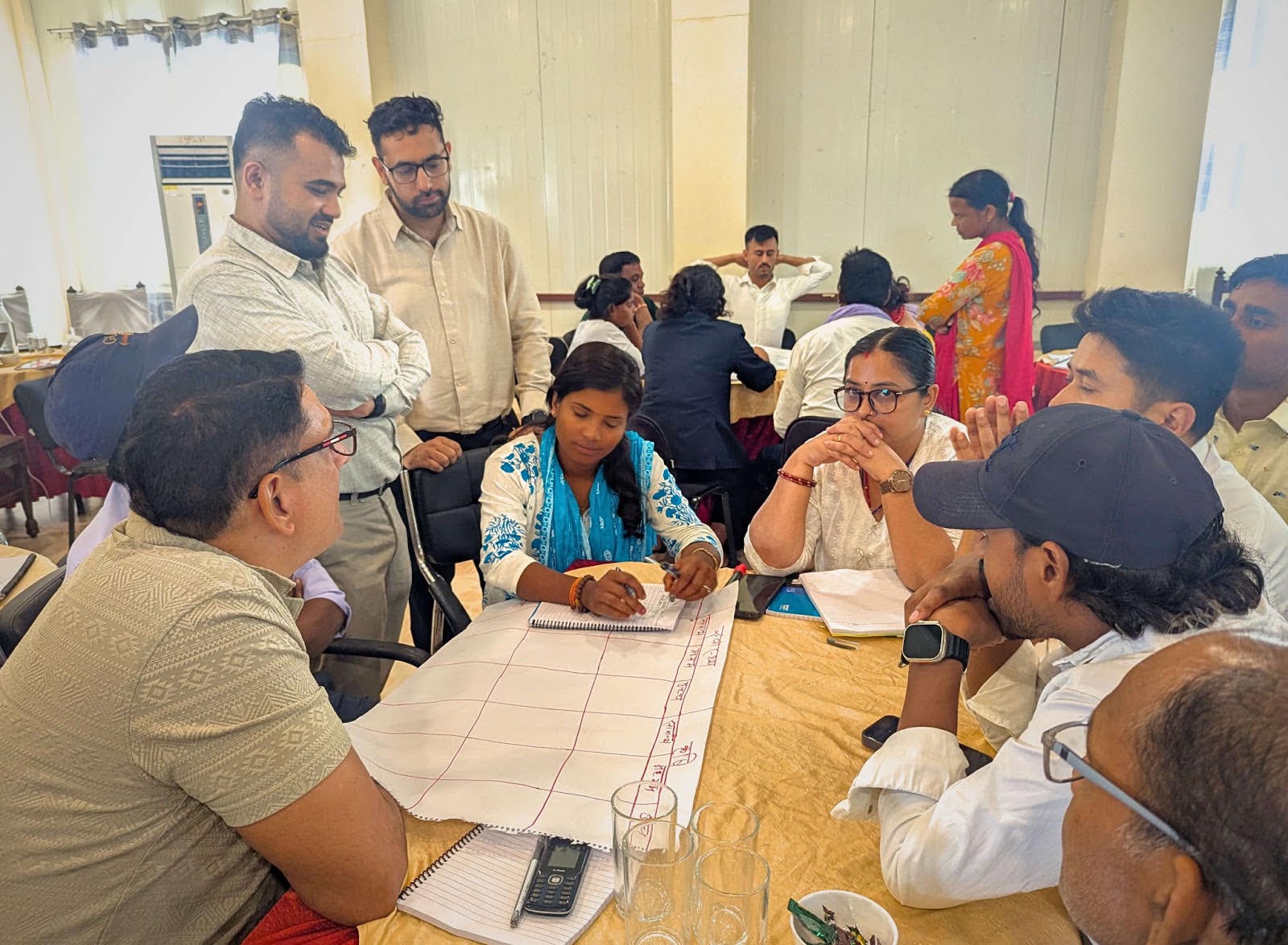
Myanmar | May 14-15 – DHM brought together government agencies and partners to advance its national demonstration of IBF for temperature-related hazards. Through stakeholder consultations and collaborative exercises, participants developed impact matrices, identified sector-specific actions and communication pathways, and strengthened partnerships needed to translate forecasts into actionable advisories and anticipatory action. Read more…>>
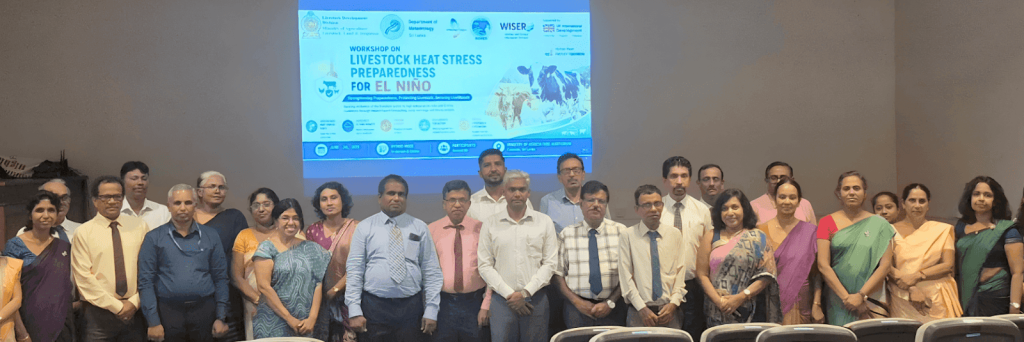
Sri Lanka | June 30 – Sri Lanka brought together over 100 stakeholders to strengthen livestock resilience to strengthen heat stress preparedness, advance the development of a national livestock heat stress advisory system, and enhance anticipatory action against the impacts of a potential El Niño. Read more…>>
Image #1
I am item content. Click edit button to change this text.
Image #2
I am item content. Click edit button to change this text.
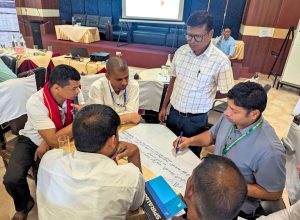
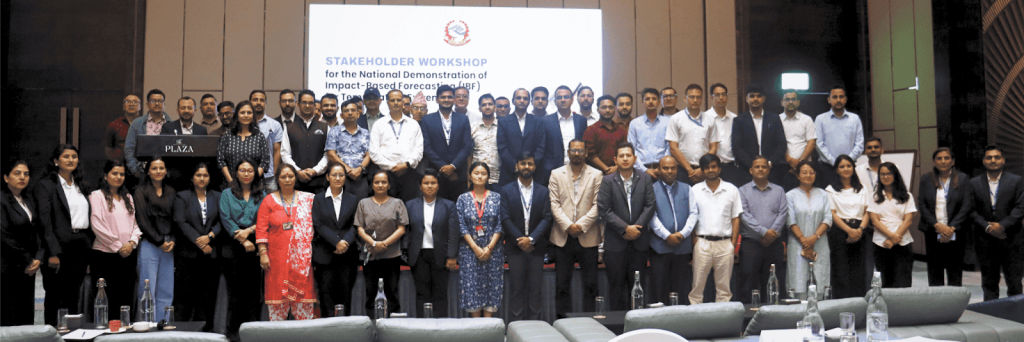
Nepal | July 2 – RIMES, RAIN, and DHM conducted an IBF Workshop in Madhesh Province to strengthen local capacities in translating weather forecasts into actionable early warnings, improve last-mile communication, and enhance preparedness for climate-related hazards. Read more…>>
Nepal | July 22 – A national stakeholder workshop brought together diverse partners to agree on priority actions, timelines, and sector-specific needs for operationalizing people-centered impact-based forecasting and heat preparedness in Nepal. Read more…>>
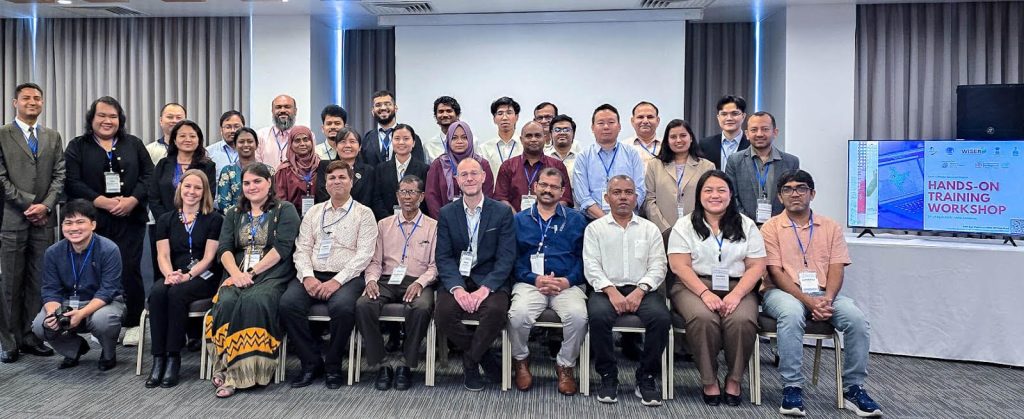
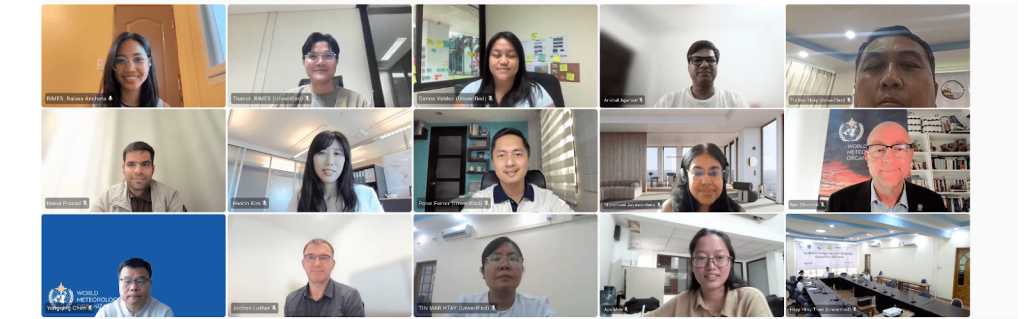
April 25-27 – The training strengthened the technical and operational capacities of forecasters on seasonal forecasting, Python, XCAST, DataEx, GIS applications, and impact analysis through hands-on demonstration and exercises. Read more…>>
Climate Services User Forum (CSUF)
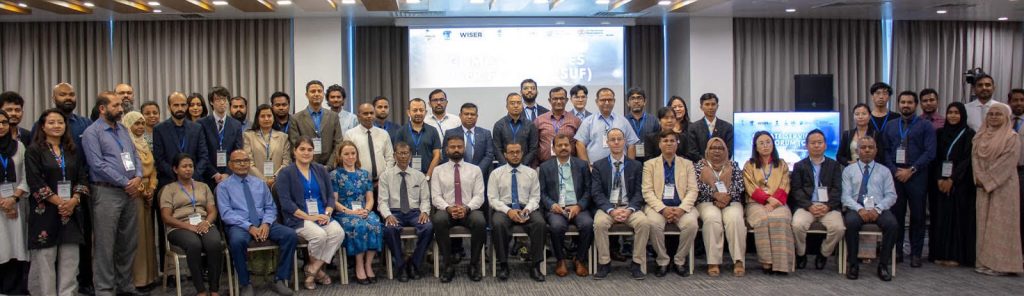
April 29-30 – Participants translated climate forecasts into sector-specific advisories while sharing experiences on the practical application of climate services. The forum reaffirmed the importance of continuous dialogue between information providers and users to ensure climate services remain relevant, understandable, and responsive to decision-making needs across multiple sectors. Read more…>>
34th Session of the South Asian Climate Outlook Forum (SASCOF-34)
April 28 – The SASCOF-34 developed the regional seasonal outlook for the June–September 2026 Monsoon Season. Drawing on national forecasts, regional analyses, and global climate information, participants discussed key climate drivers to produce a scientifically consistent outlook for the region.
Highlights from the latest discussions, decisions, and priority actions across the SAHF Working Groups.
Climate Services
The Climate Services Working Group refined its regional work plan by prioritizing implementation of the Regional Framework for Climate Services, capacity development, data sharing, user engagement, and NFCS support while aligning activities with other SAHF initiatives and country needs. Read more…>>
Numerical Weather Prediction
The Numerical Weather Prediction Working Group Co-Chairs discussed the prioritization of strengthening regional data sharing, forecast verification, and high-resolution modelling, while advancing implementation planning, WIS 2.0 integration, and specialized sub-working groups such as Marine Meteorology.
Hydrology
The Hydrology Working Group endorsed an open, interoperable, and member-owned approach to flood forecasting, advancing the WMO Flood Forecasting Framework while supporting a phased transition from the existing SAsiaFFGS through regional pilots, data sharing, and capacity development.
The Observation Network Working Group Co-Chairs are planning for regional observing system improvements by prioritizing observation quality, calibration, DataEx and WIS 2.0 integration, and enhanced regional collaboration to strengthen South Asia’s observational infrastructure.
WHAT'S NEW AND WHAT'S NEXT
New CREWS Initiative to Strengthen Hydromet Services in Myanmar
WMO, RIMES, and Myanmar’s DMH launched a new CREWS initiative to strengthen hydrometeorological and flash flood forecasting capabilities, supporting the implementation of Early Warnings for All through capacity assessments, operational roadmaps, and pilot forecasting activities. Read more… >>
In the Works: SAHF Marine Met Working Group
SAHF is expanding its technical collaboration through the establishment of a Marine Meteorology Sub-Working Group to improve regional marine forecasting, strengthen operational partnerships, and support more resilient coastal communities.