Regional Workshop on Impact-Based Forecasting: Training of Trainers (ToT) and National Demonstration Planning for Temperature-related Hazards
- Feb 09-13, 2026
- Kathmandu, Nepal
Day 4 Highlights
- Thursday | Feb 12, 2026
Day 4 covered Exposure, Vulnerability, GEDSI, and Impact Prioritization.
- Agenda
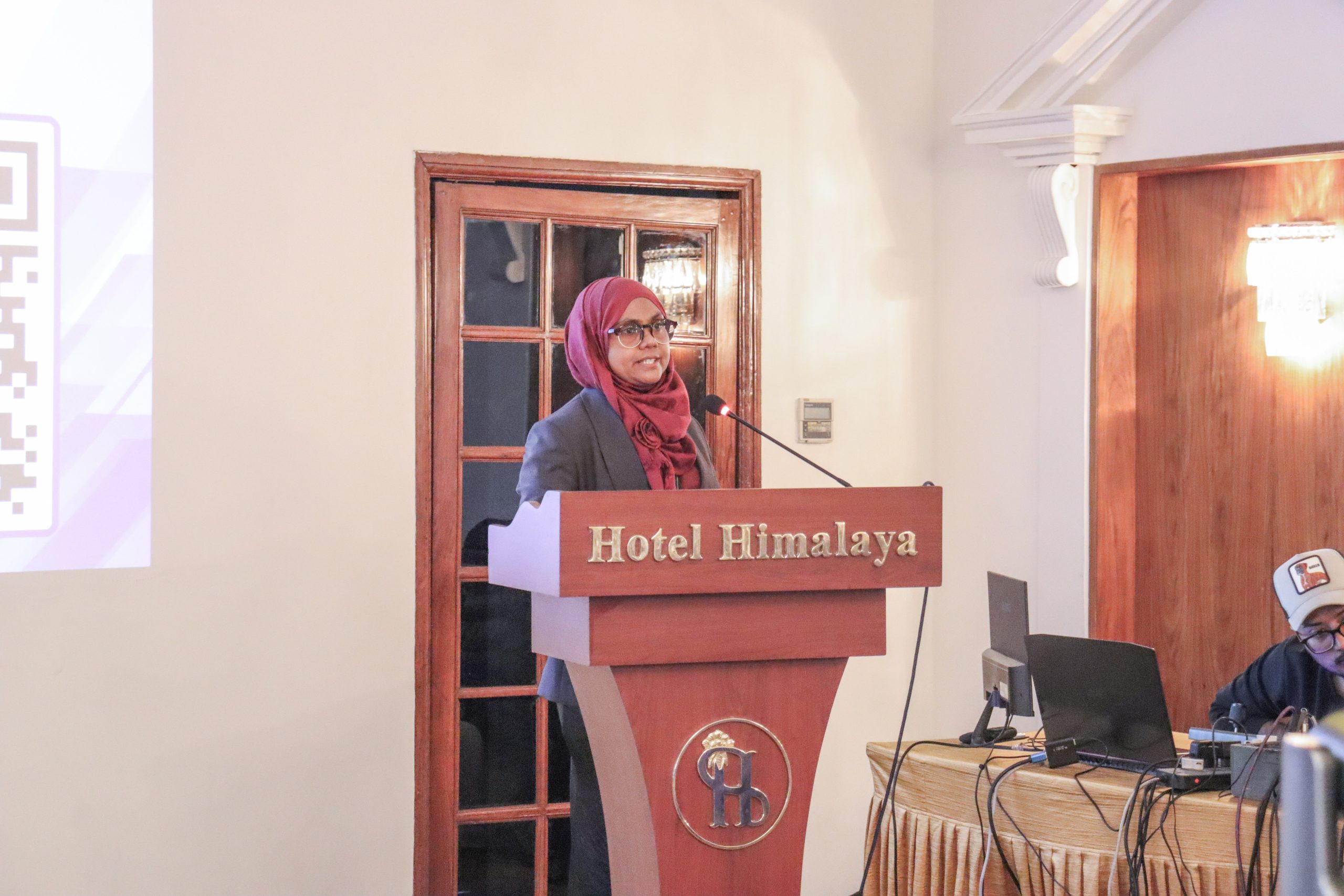
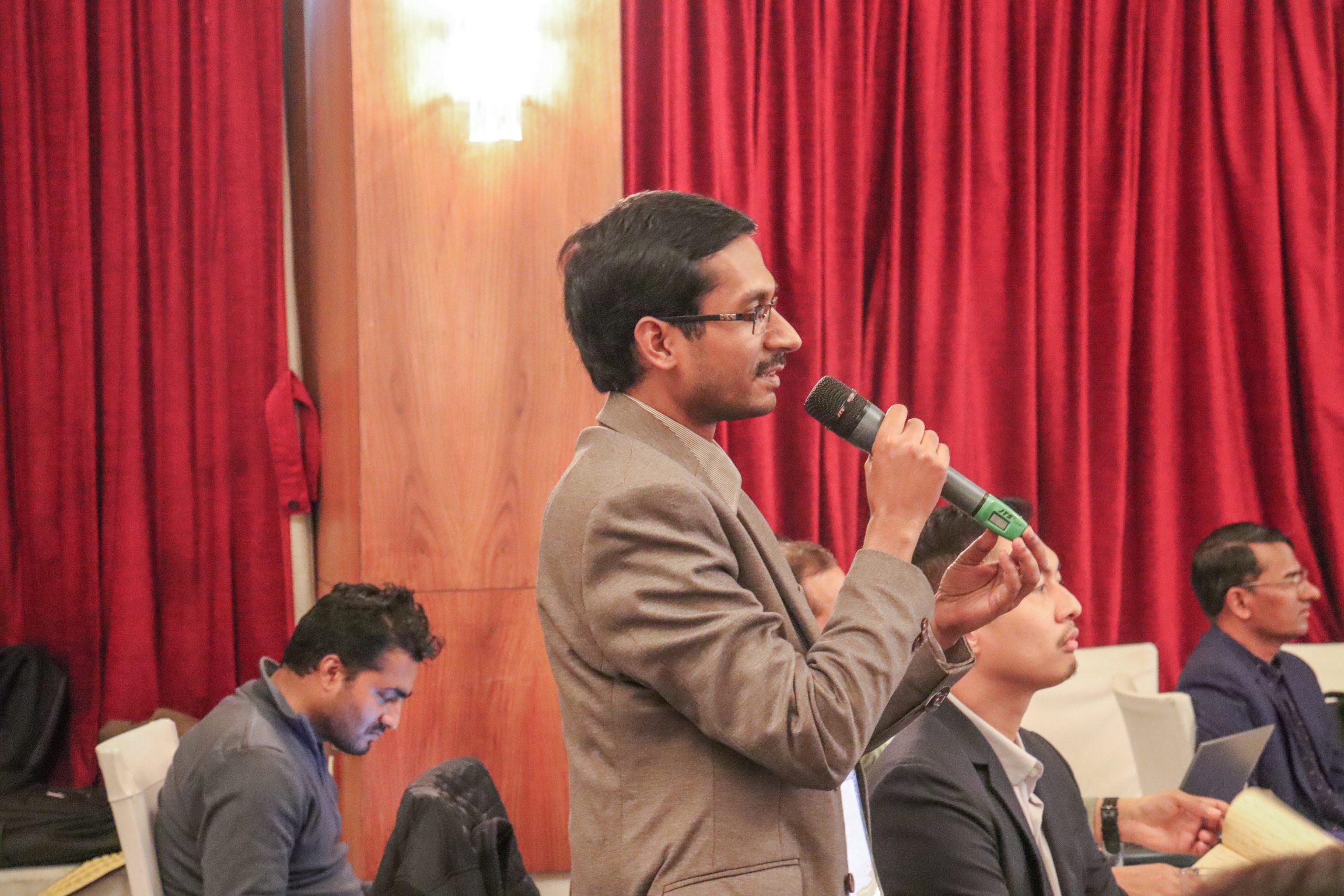
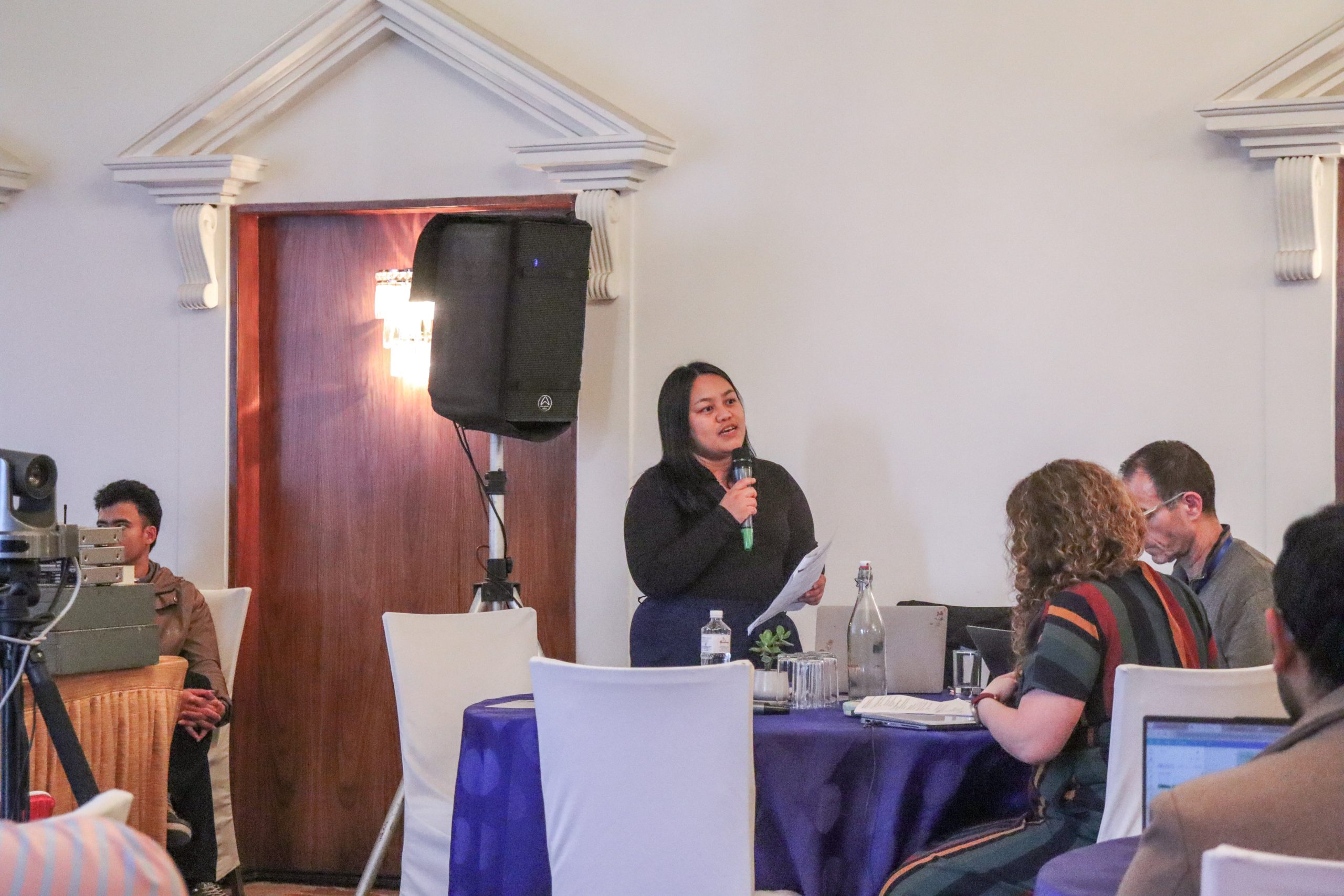
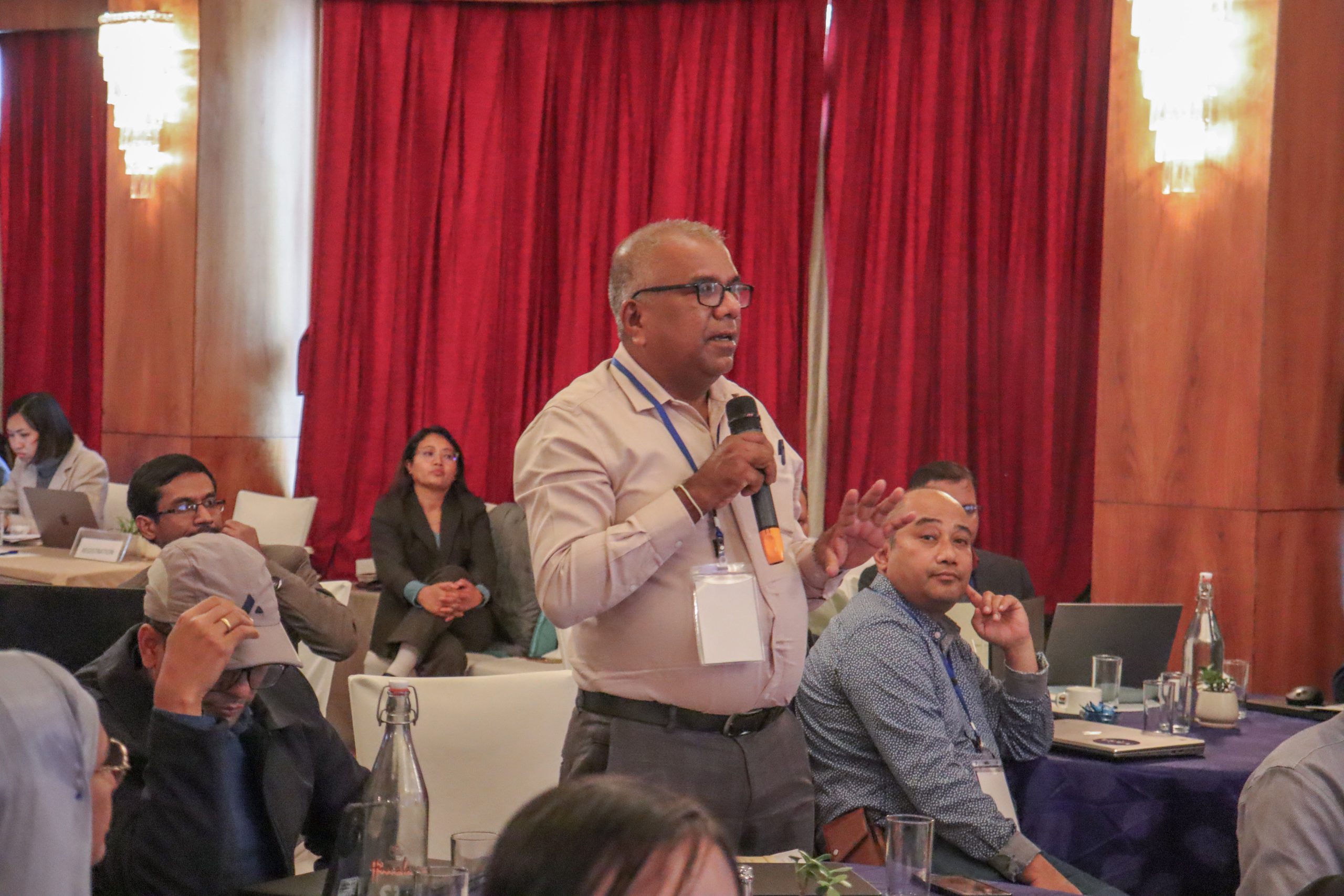
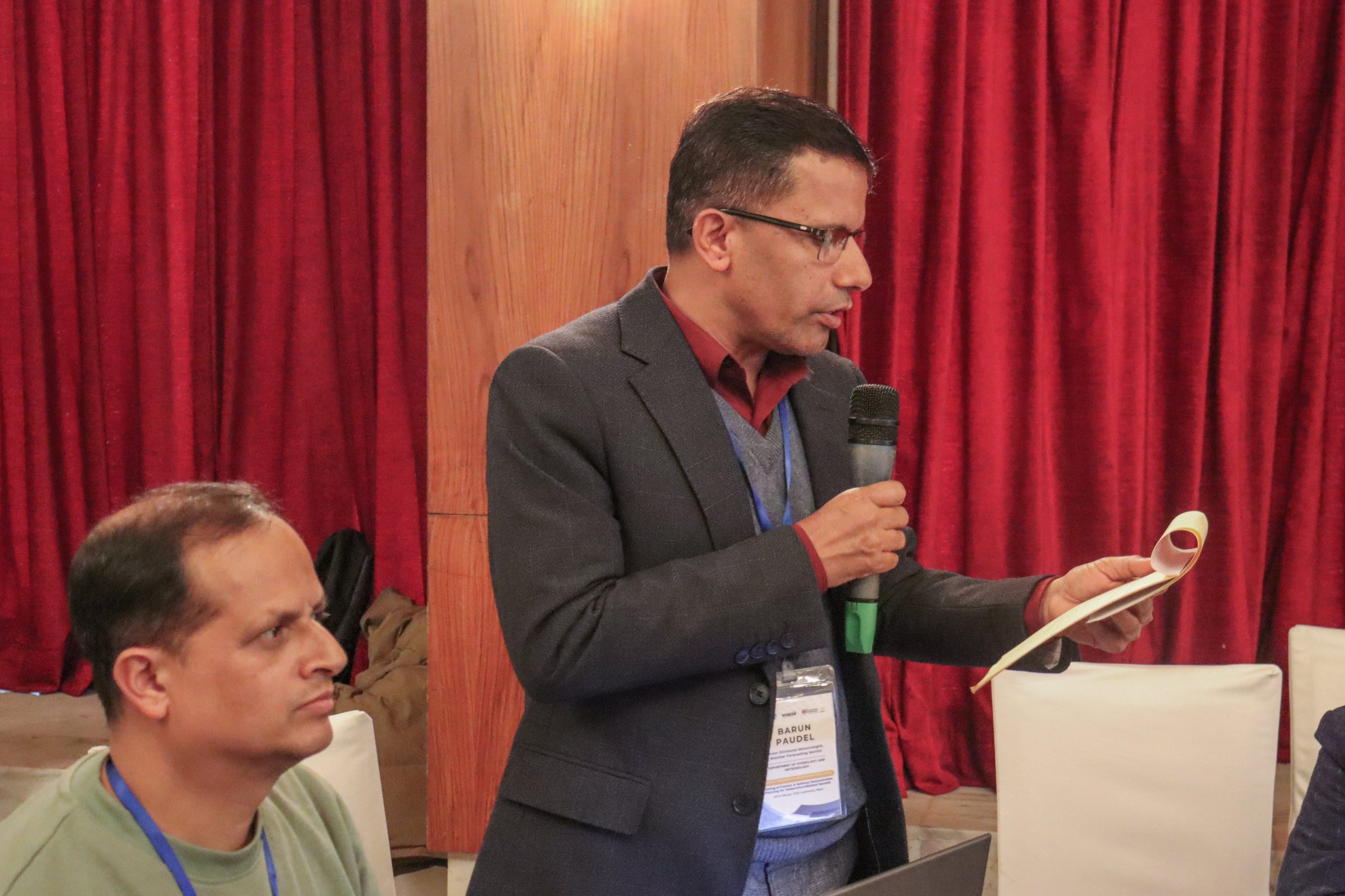
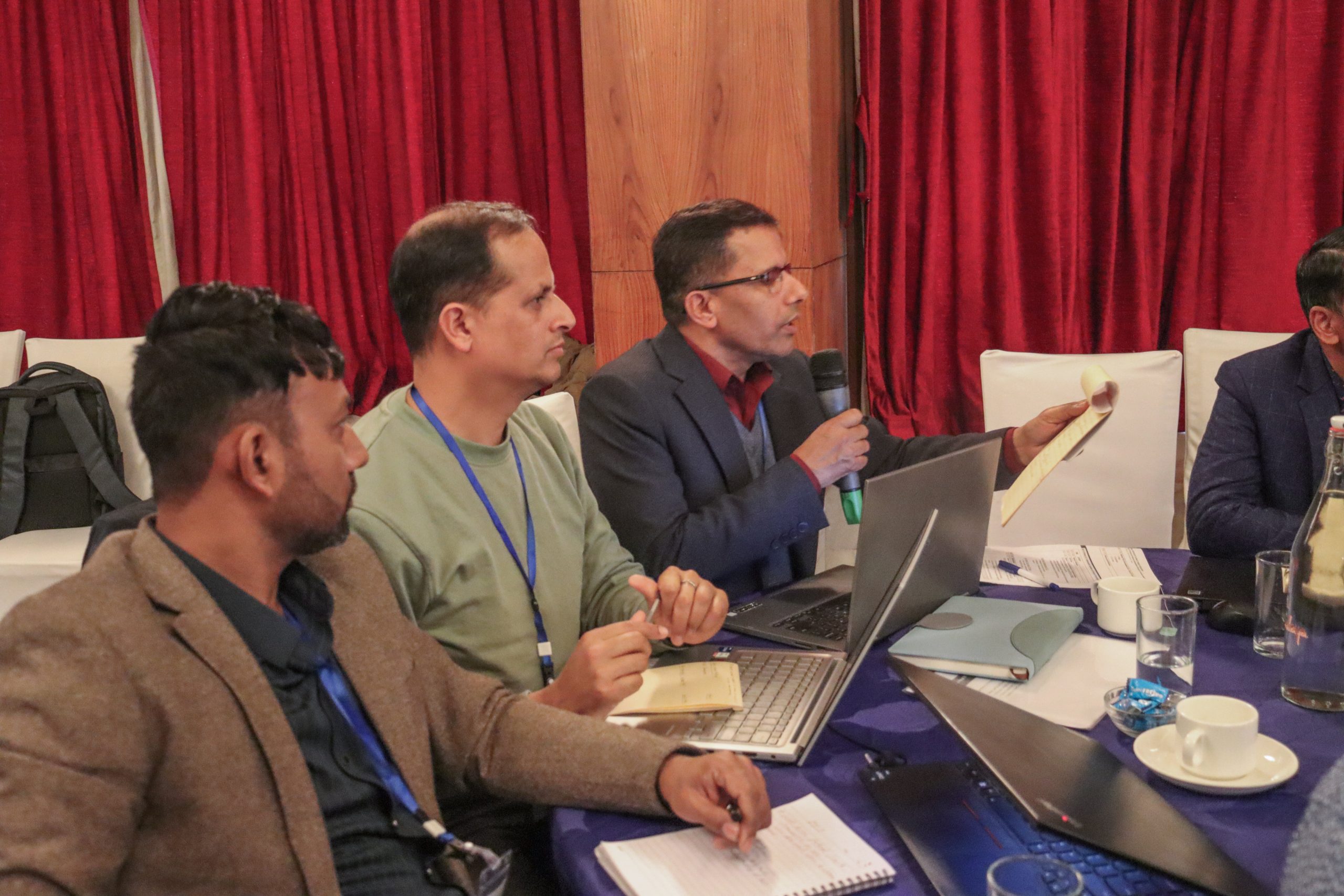
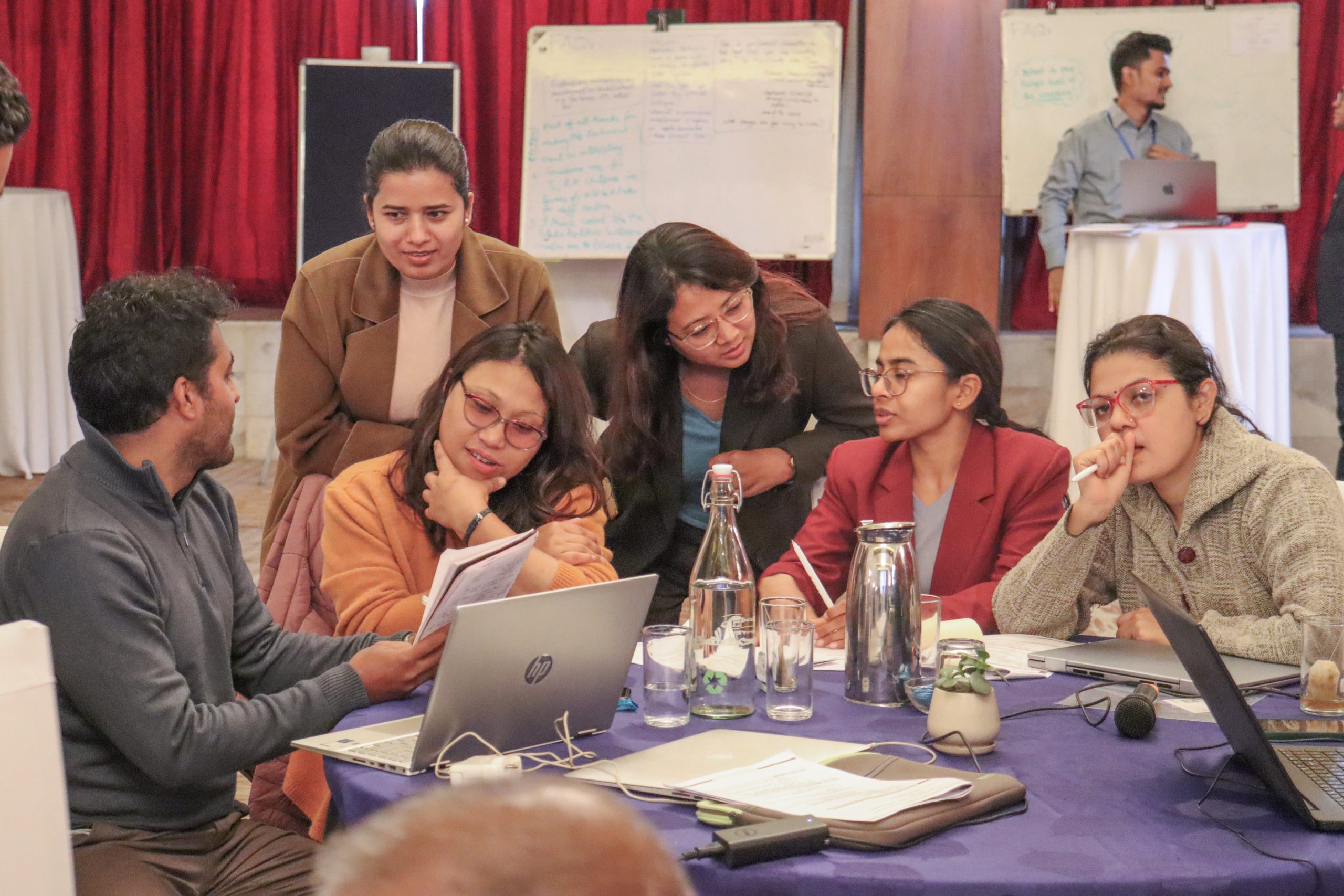
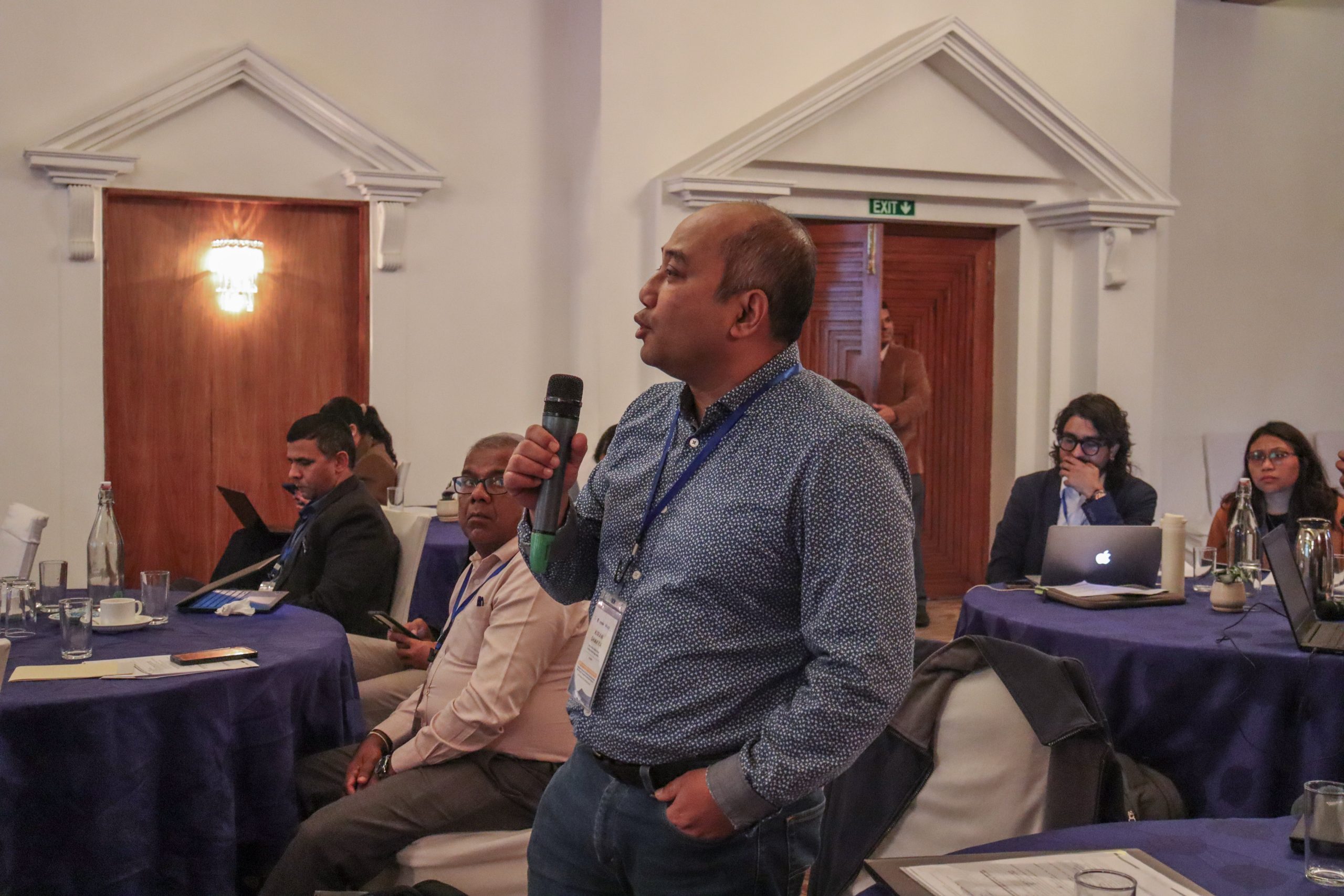
- Photos
DAY 4: 12th February 2026 Communication, Operations, and Training-of-Trainer Skills 08:30 AM – 17:00 PM (Kathmandu, Nepal Time, UTC+5:45) |
|||
|---|---|---|---|
| Session | Time | Details (To Be Finalized) | Lead/Speaker(s) |
| Signing of Attendance | 08:30 AM – 09:00 AM | ||
| Daily Recap | 09:00 AM – 09:15 AM | Participants | |
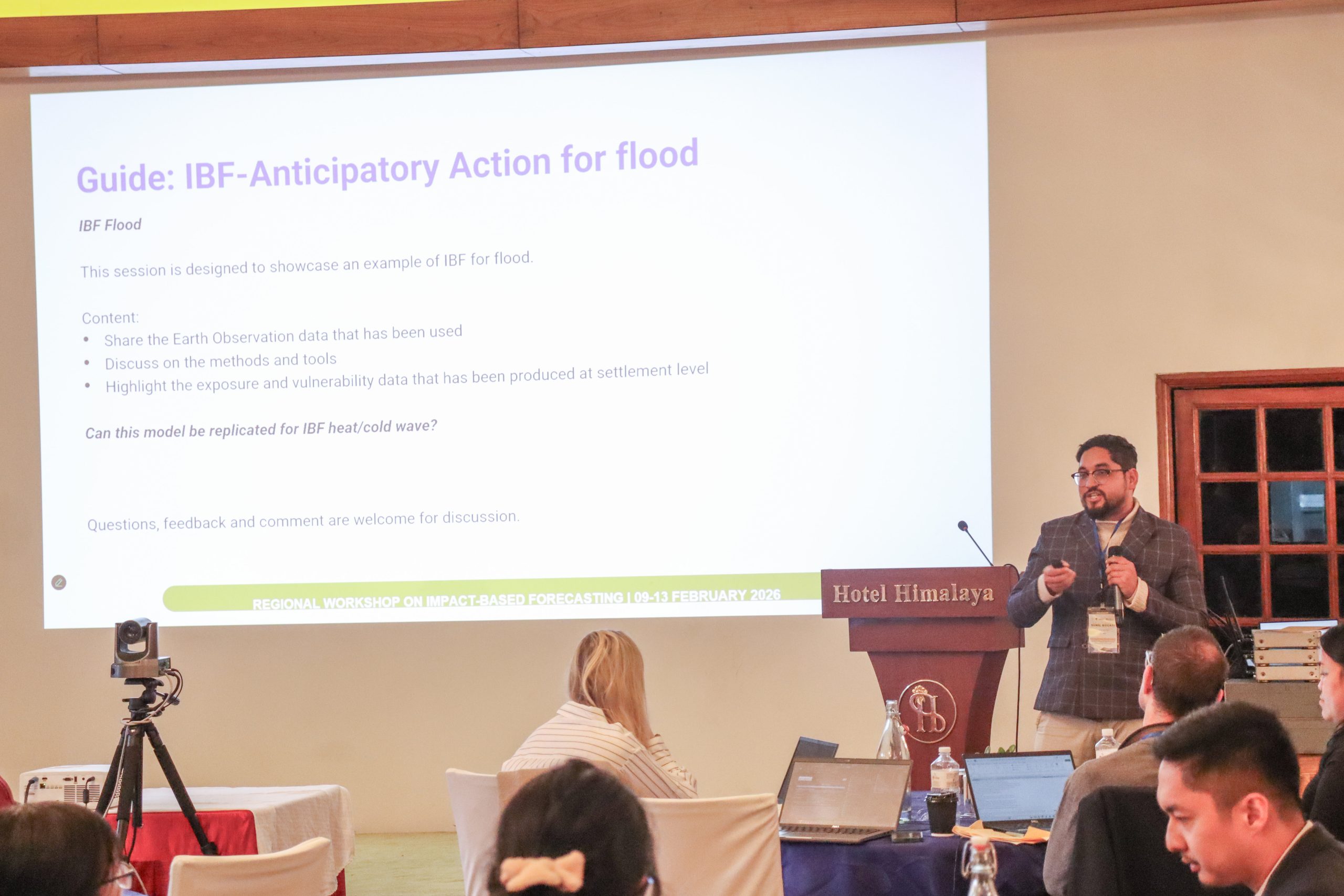
| Session 11: Action-led Warnings for Temperature Hazards | 09:15 AM - 10:45 AM | - Generic Elements of SOPs and EAPs - Designing advisories linking IBF forecasts, impacts, and recommended actions to SOPs and EAP activation - Aligning alert levels with actions for different user groups - Experience in early action protocols - Examples of action-oriented advisories for heat-related hazards - Case Example: Operationalizing IBF through anticipatory action in Nepal (Flood Example) | - Dr. KJ Ramesh, Raihanul Khan, & Asif Uddin Bin Noor, RIMES - Ramiz Khan & Madhab Uprety, RCCC - Man Kshetri & Sunil Bogati, WFP Nepal |
| Morning Break | 10:45 AM – 11:00 AM | ||
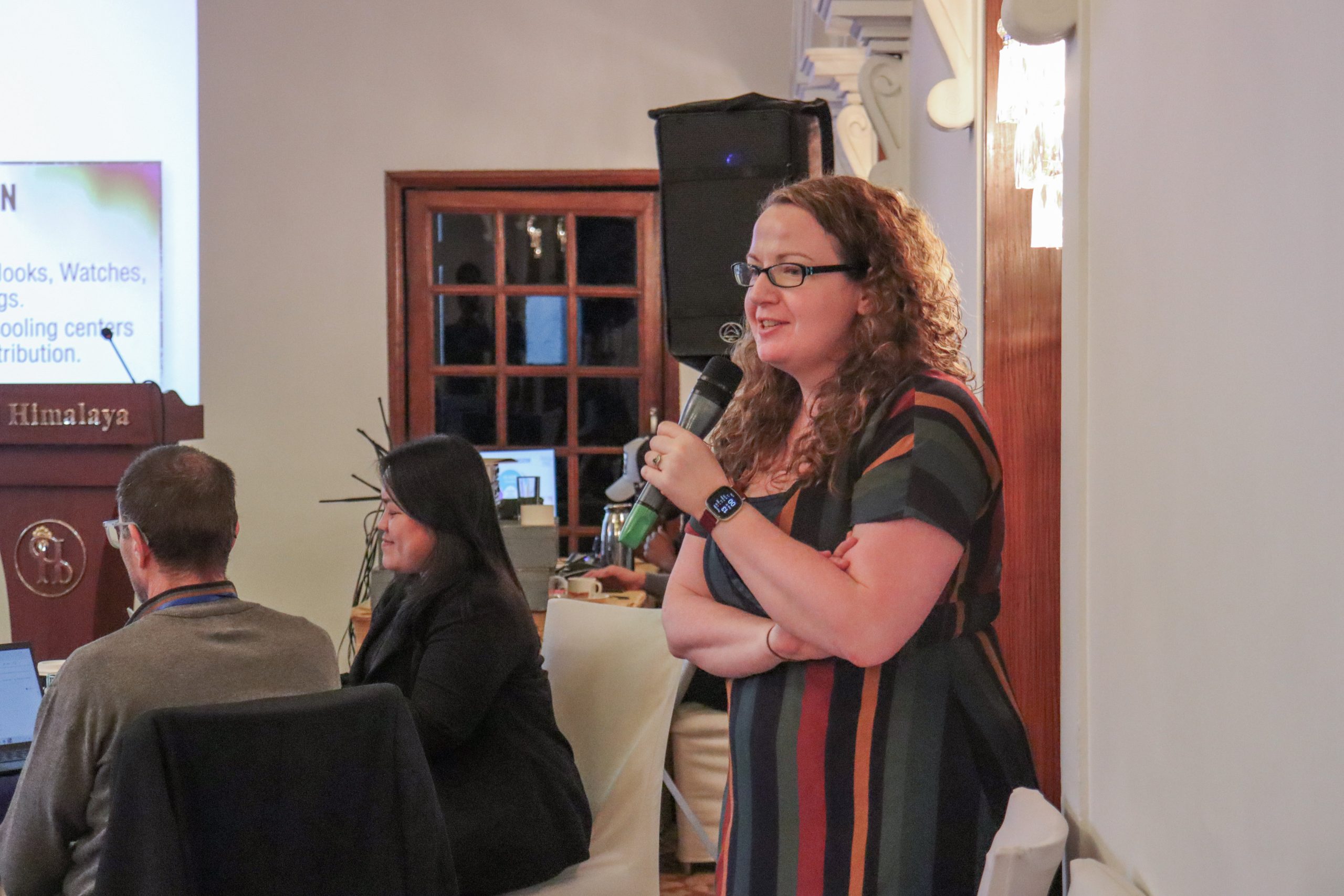
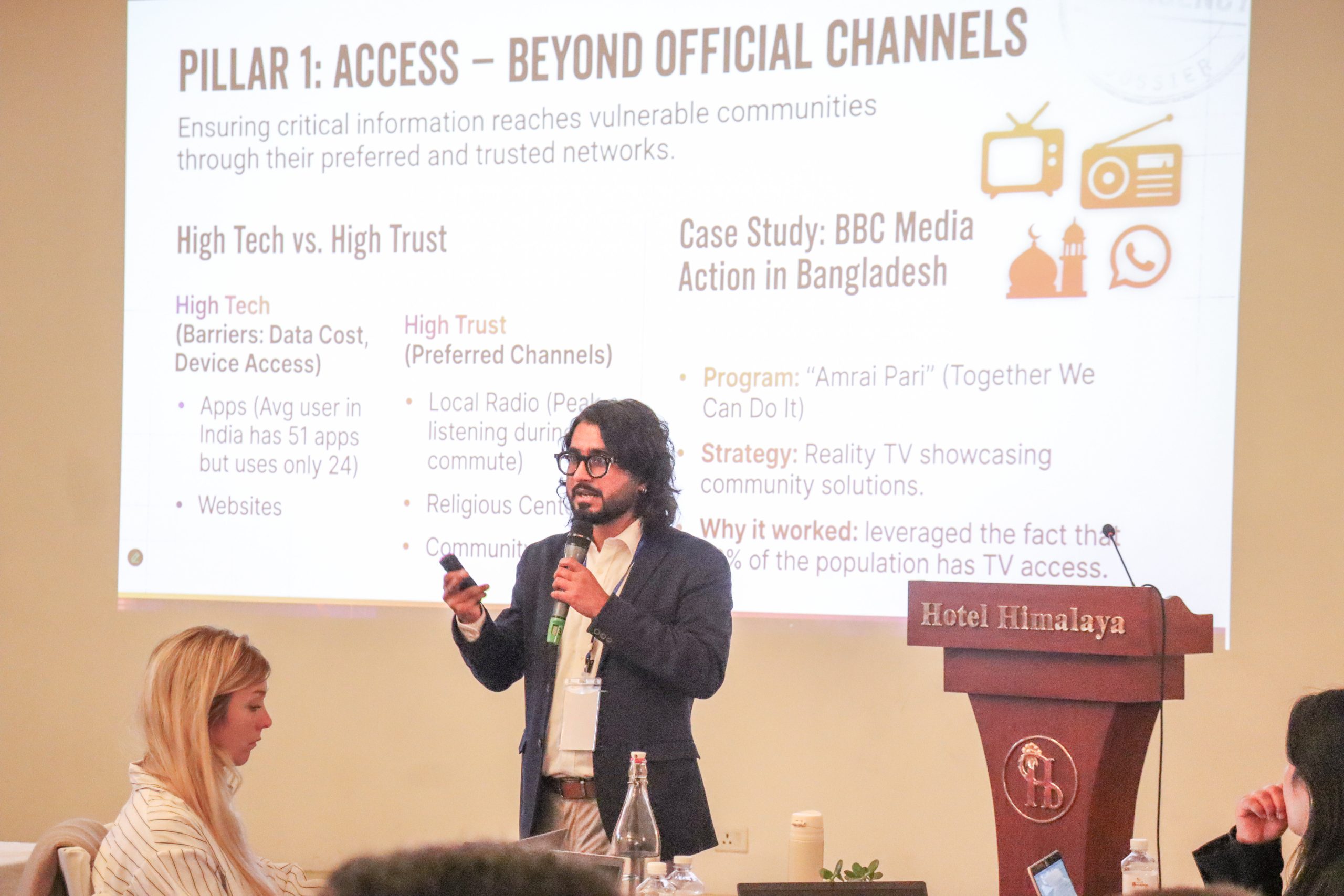
| Session 12: Behavioral Insights and Risk Communication | 11:00 AM – 12:30 PM | - ToT approach to engage stakeholders at a national level in risk communication. - Critical review of communication approaches and messaging. - Communication challenges in temperature-related forecasts and warnings. - Tailoring messages for different sectors and different levels of risk | - Helen Caughey, UKMO and Ramiz Khan & Madhab Uprety, RCCC |
| Lunch Break | 12:30 PM – 13:30 PM | ||
| Con’t of of Session 10: End-to-end IBF Process: IMD Experience | 13:30 AM – 13:45 PM | - Examples of action-oriented advisories for heat- and/or cold-related hazards: - Experience of ICMR and Agriculture (and other sectors) (end-to-end comprehensive SOP/EAP) - Communication of action-led warnings for various sectors (e.g. public health, agriculture, etc) | IMD |
| Session 13: Operational IBF Workflows and Decision Support | 13:45 AM – 15:30 PM | - Integrating IBF into existing NMHS operational workflows (Examples of integration from UK Met Office and DHM Nepal) and Draft IBF Competency Framework - Coordination between NMHSs and sector partners - Minimum operational requirements and ensuring sustainability beyond IBF pilot demonstrations: - Enhancing Impact-Based Forecasting in Nepal: Findings from the Stimson Assessment - Minimum operational requirements needed for heatwave and coldwave IBF with allowance for future expansion and scale up - Extreme Heat Factor Analysis | - Helen Caughey, UKMO - Raihanul Khan & Asif Uddin Bin Noor, RIMES - Jeevika Khadka, Stimson Center - IMD |
| Afternoon Break | 15:30 PM – 15:45 PM | ||
| Session 13 Cont’n: | 15:45 PM – 16:45 PM | - Use of DSS tools and templates: - ESCAP’s Relevant Initiatives and Available Tools - Intro and Hands-on Training to IBF Tool: - loss and damages assessment - seasonal forecast translated to sectoral impacts | - Parvathy Subha, ESCAP |

| Wrap-up and Reflections | 16:45 PM – 17:00 PM | ||